Table Of Content

But the shorn head has a complicated and contradictory history that has led to it becoming a symbol of non-conformism — particularly for women. This website is using a security service to protect itself from online attacks. There are several actions that could trigger this block including submitting a certain word or phrase, a SQL command or malformed data.
“I just don’t feel like me when I have hair,” she said.
But the late Irish songstress, who died this week aged 56, spent many years rocking a longer hairstyle. “They looked at Sinead’s shaved head and went, ‘Now we know what we are dealing with,'” the star’s first husband and frequent collaborator, John Reynolds, recalled in an interview with the same outlet. Even in the few periods when she grew her hair back, she was often referred to as the “formerly bald” Sinead O’Connor.
Sinead O'Connor's iconic shaven head look and the devastating reasons for the haircut
And yet, over time, my buzz cut has evolved from an act of despair to one of empowerment. Shaving my head allows me more control over a compulsion that once dominated my life. Practically speaking, without the need for styling and shampooing, getting ready in the morning really does take less time — plus, I don’t have to spend money on haircare products. In her memoir, Sinéad writes about the first time she buzzed her head.
Things About Life in Different Countries That Logic Can’t Explain
The bald head of Sinéad O’Connor became an emblem of countless dreamy rebellions, serving as a bridge between the fierce and the ethereal. Her shaved pate was inseparable from her identity, evoking thoughts of the Irish singer and activist whose demise was announced on July 26. It is nearly impossible to reflect on Sinead O’Connor and her artistic contributions without immediately recalling her distinctive hair, or rather, her lack of it.
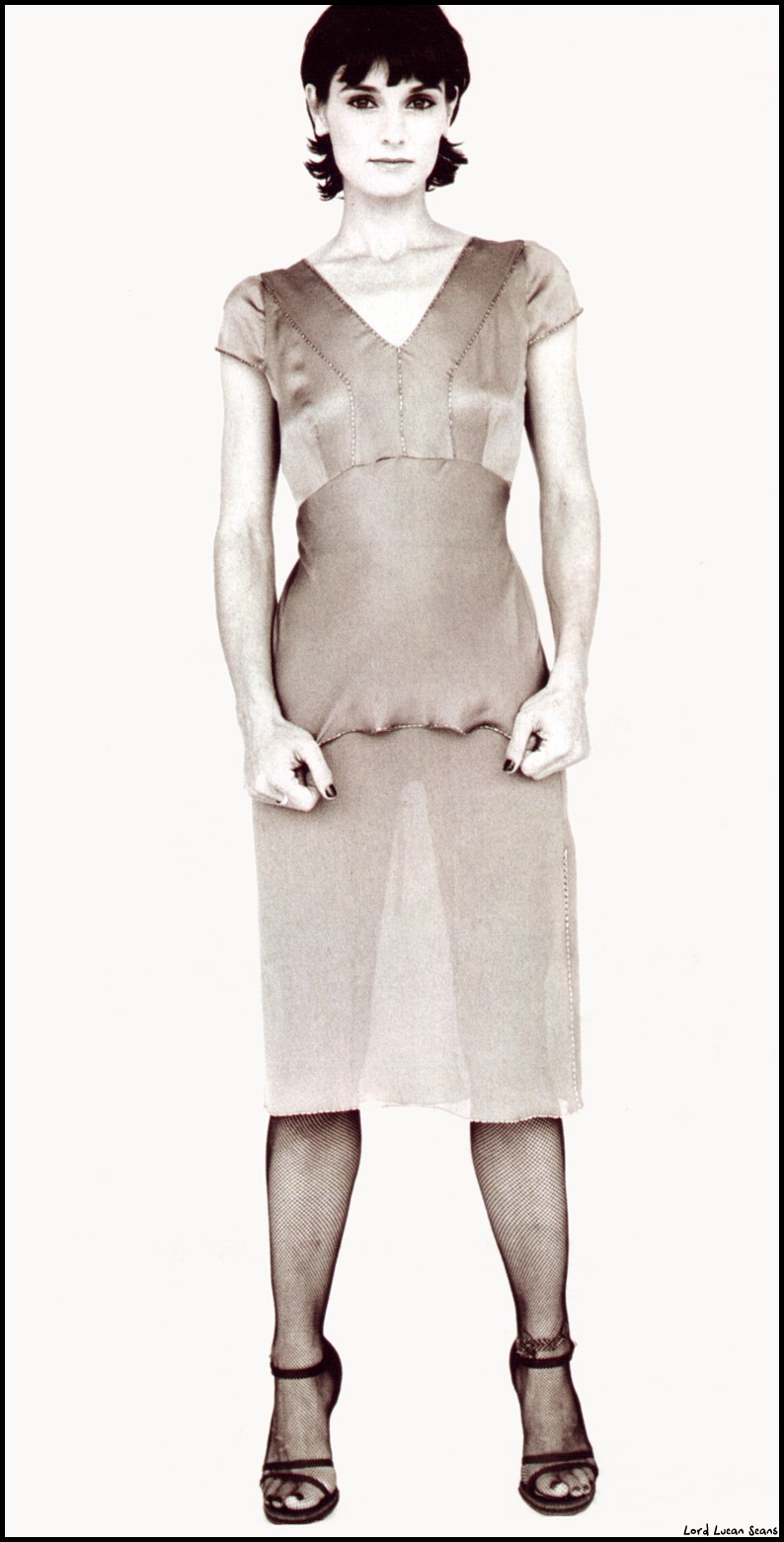
O’Connor added that the music industry also influenced her decision to keep her androgynous look.
The heartbreaking story behind Sinead O’Connor’s trademark look - New Zealand Herald
The heartbreaking story behind Sinead O’Connor’s trademark look.
Posted: Thu, 27 Jul 2023 07:00:00 GMT [source]

The height of her power came in the late 1980s and early 1990s, including a divisive 1992 appearance on “Saturday Night Live” in which she ripped up a photo of Pope John Paul II to protest sexual abuse in the Roman Catholic Church. It was impossible not to think of O’Connor’s “Shaving My Head” chapter when news broke about another singer whose struggles with mental health have been excruciatingly public. A decades-old video featuring Sinéad O’Connor expertly belting out a cover song while rocking long hair rather than her signature buzz cut has resurfaced following her death aged 56.
The story behind Sinéad O'Connor's shaved head - Edinburgh News
The story behind Sinéad O'Connor's shaved head.
Posted: Thu, 27 Jul 2023 07:00:00 GMT [source]
To quote Phoebe Waller-Bridge’s character, Fleabag, “hair is everything,” but it’s not permanent. I say this as a woman who’s gone from a glam rock-size cloud of dark curls to short blond hair, to long red hair, and who knows what next. Each of these looks marks a specific time, mental state, and a specific me.
Sinéad O’Connor’s iconic shaved head – and the dark reasons why she did it
The Irish Grammy-winning singer, whose cause of death is not yet known, became world famous in 1990 with her heartrending cover of Prince's Nothing Compares 2 U. However, the star debuted long locks again in the 2010s, before returning to her buzzcut. The performance has been going viral on social media, with many fans showering Sinead with praise. The Nothing Compares 2 U hitmaker had a shaggy boyish hairstyle throughout the mid to late 90s, and then returned to the style again in the 2010s.
The Heartbreaking Reason Sinead O’Connor Says She Keeps Her Head Shaved
The Irish singer’s shaved head was as much a part of her identity and allure as her sound. ‘I was asked one day would I grow my hair long and wear short skirts because they wanted to sell me on my sexuality. During an interview with Dr. Phil, she candidly discussed her mental health struggles and the alleged abuse she suffered at the hands of her mother. MacGowan, who was the lead vocalist for the Pogues, died in November. The Irish musician died on Wednesday, 26 July, after being found at her home in south east London, 18 months after losing her ‘soulmate’ teenage son Shane to suicide.
However, it wasn't just her mother, the abuse and assault she experienced which led to O'Connor deciding to shave her hair off. O'Connor also noted how it was 'dangerous to be pretty' and resulted in her 'getting raped and molested everywhere' she went. She also revealed she suffered from PTSD because of the abuse she received as a child. At the time of her death, the musician, who changed her name to Shuhada' Sadaqat in 2018 when she converted to Islam, was thought to be spending her time between Co Roscommon, Ireland, and London.
It was confirmed by O’Connor’s loved ones on Wednesday (July 26) that she had died aged 56. Following the tragic news of her death, we take a look at the real reason why she did it. The stakes are high this year, and our 2024 coverage could use continued support. If circumstances have changed since you last contributed, we hope you’ll consider contributing to HuffPost once more. Our journalists will continue to cover the twists and turns during this historic presidential election.
From Britney Spears to Natalie Portman to Jada Pinkett Smith, a great many celebrities have made headlines by shaving off their hair — but Sinéad O’Connor’s symbolic buzzcut might be the most famous of them all. “I just don’t feel like me when I have hair,” she told The New York Times in 2021. Sinéad O’Connor’s shaved head became an iconic part of her image over the years. “Nothing Compares 2 U” was originally written by Prince for his side project, The Family, and appeared on that band’s eponymous 1985 debut album. The Pacific Northwest saw record-breaking temperatures of 104+ degrees Fahrenheit leading to more than 100 deaths and a bit of a climate reckoning.
As I read tributes to Sinéad’s life, I am reminded of the importance of small acts of power. Sinéad’s hairstyle was far from her boldest move — she created the most change with her words and deeds. But we can’t underestimate the impact of a woman claiming her right to her own body. This was radical back in the 1980s, when Sinéad first shaved her head. Unfortunately, with women’s bodies and rights still under attack, it remains radical today.